Our actions directly supported 2.5 million people in 2022
60
We provide life-changing support in 60 countries
466
We run 466 projects worldwide
Co-winner of the Nobel Peace Prize 1997
for our work towards banning and clearing anti-personnel landmines
What we do
Since HI was founded in 1982, we have supported tens of millions of people. Our teams work in over 60 countries working tirelessly to support the most vulnerable people in humanitarian emergencies, chronic crises, and longer-term development.
Emergencies
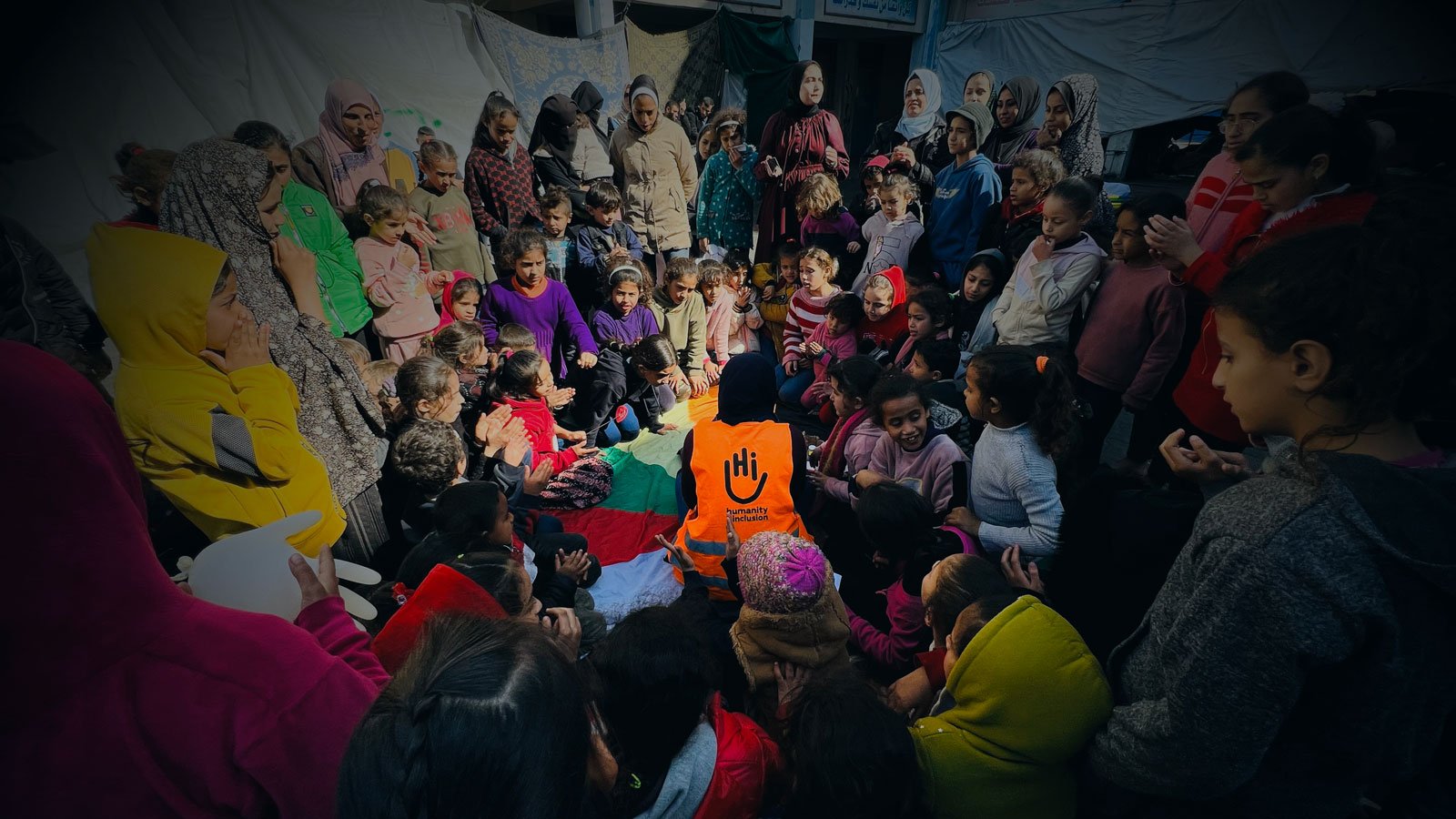
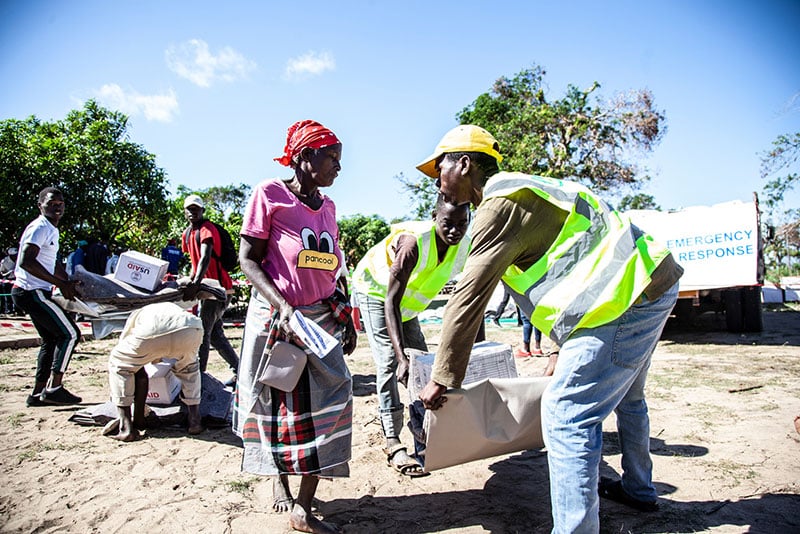
HI’s emergency teams take action on the ground to assist the most vulnerable, in particular people with disabilities, injured and displaced people. And we work to ensure that no one is left behind in a humanitarian crisis.
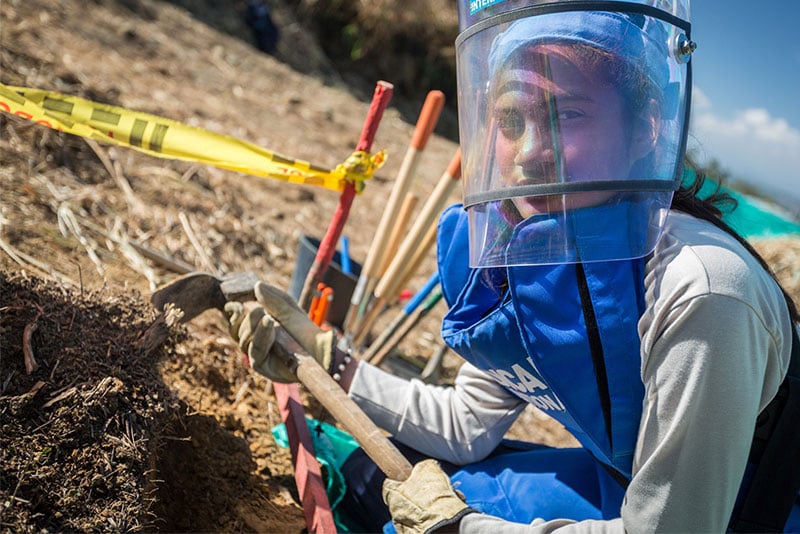
HI has a comprehensive approach to mine action, working to protect civilians, support the victims of conflict, and campaign for change. We clear explosive remnants of war, educate communities about the risks, and help survivors back into society.
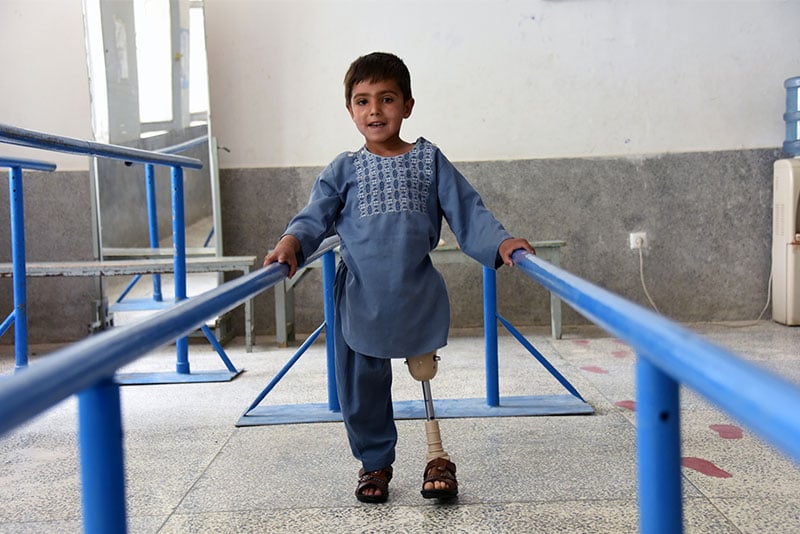
HI teams provide injured and disabled people with life-changing rehabilitation, prosthetic limbs, wheelchairs and other aids. And we campaign for rehabilitation to be integrated into health systems worldwide.
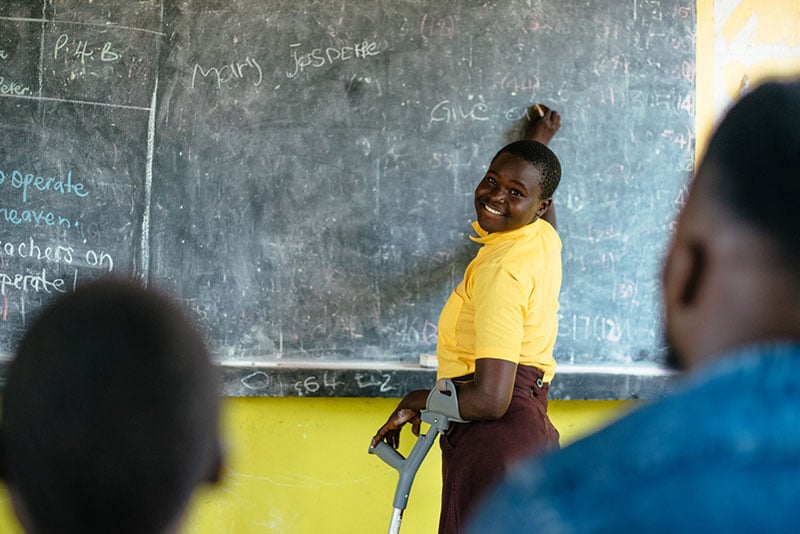
HI works with people with disabilities, their families, communities and a range of organisations for a truly inclusive world where people with disabilities have equal opportunities and rights.
Kanha, from Cambodia, lost her left leg when she was just 7 years old in an accident with an unexploded bomb. Find out how her life has been transformed thanks to support from our regular donors.
Kanha, from Cambodia, lost her left leg in an accident with an unexploded bomb when she was just 7 years old. Her life has been transformed with support from HI's rehabilitation teams, thanks to regular monthly support from our donors.
On 15 April 2023, an armed conflict broke out in Sudan. From May 2023, Humanity & Inclusion have been providing support and care for Sudanese refugees in Eastern Chad fleeing the violence.
Humanity & Inclusion (HI) is deploying mobile clinics in North Kivu to improve access to healthcare and provide medical and psychosocial assistance to people displaced by the conflicts.
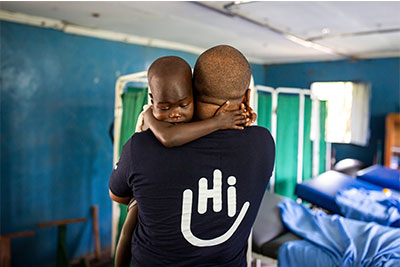
The little boy, wounded by gunfire almost a year ago, is working hard to regain feeling and mobility in his legs through intensive rehabilitation sessions, supported by Humanity & Inclusion’s team in eastern Chad.